
Okay, here's an English argumentative essay on the generation gap.
Bridging the Divide: Navigating the Generation Gap in the Modern Era
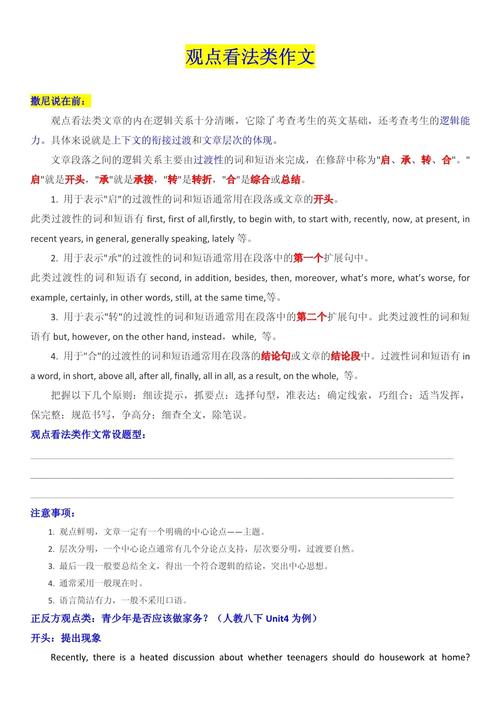
The generation gap, a term coined in the 1960s to describe the chasm in perspectives, values, and behaviors between younger and older generations, remains a pertinent and often contentious issue in contemporary society. While some argue that it is an inevitable and even healthy byproduct of societal progress, others view it as a source of conflict and misunderstanding that hampers familial and social cohesion. This essay will argue that the generation gap, though rooted in legitimate differences in experience and context, can be significantly mitigated through mutual understanding, open communication, and a willingness to embrace change.
Proponents of the view that the generation gap is a natural phenomenon emphasize the rapid pace of technological and social transformation. Younger generations, often referred to as Digital Natives, have grown up immersed in a world of instant communication, artificial intelligence, and global connectivity, shaping their worldviews and priorities differently from their predecessors, who may have navigated a world dominated by print media, face-to-face interaction, and more traditional career paths. For instance, attitudes towards work-life balance, diversity and inclusion, and even privacy can vary markedly. A Gen Z individual might prioritize flexible working arrangements and mental health awareness, while a Baby Boomer might value job security and a clear hierarchical structure. These differences are not inherently right or wrong but rather reflections of the distinct environments in which each group was socialized.
However, the generation gap becomes problematic when it hardens into mutual suspicion, resentment, or an unwillingness to empathize. This can manifest in familial conflicts, workplace tensions, and broader societal divides. Older generations may dismiss younger perspectives as naive or entitled, while younger generations may view older viewpoints as outdated or inflexible. Such stereotypes prevent meaningful dialogue and prevent the exchange of valuable wisdom and fresh ideas. For example, an elderly parent might struggle to understand their child's career choices in the gig economy, while a young adult might fail to appreciate the sacrifices their parents made to provide them with opportunities.
To bridge this divide, proactive efforts are required from both sides. Firstly, open and empathetic communication is paramount. This involves active listening – truly seeking to understand the other person's experiences and motivations rather than simply waiting for one's turn to speak. Instead of resorting to "when I was your age" or "you just don't get it," individuals should ask questions and share perspectives in a non-judgmental manner. Secondly, a willingness to learn from one another is crucial. Older generations can offer the benefit of their life experience, wisdom, and historical context, while younger generations can bring technological proficiency, innovative thinking, and a fresh perspective on social issues. Mutual mentorship, both formal and informal, can be highly beneficial. Finally, recognizing and valuing diversity of thought is essential. The fact that different generations approach problems differently does not diminish the validity of either approach. By appreciating the unique strengths each generation brings, society can foster a more inclusive and dynamic environment.

In conclusion, while the generation gap is an inevitable consequence of an ever-evolving world, it does not have to be an insurmountable barrier. It is not a sign of generational warfare but rather an opportunity for growth, understanding, and collaboration. By fostering open communication, embracing mutual learning, and respecting differing viewpoints, we can transform the generation gap from a source of division into a bridge that connects the wisdom of the past with the innovation of the future, ultimately strengthening the fabric of both families and society at large.
Essay Breakdown:
-
Introduction:
- Defines the "generation gap."
- Presents the debate: is it inevitable/healthy or a source of conflict?
- States the thesis: it can be mitigated through understanding, communication, and embracing change.
-
Body Paragraph 1: Acknowledging the Roots of the Gap (Arguments for it being natural):
- Focuses on rapid technological and social change.
- Contrasts "Digital Natives" (younger) with older generations.
- Gives examples of differing values (work-life balance, diversity, privacy).
- Concludes these differences are reflections of socialization, not inherent right/wrong.
-
Body Paragraph 2: The Problematic Aspects of the Gap (Arguments against it being benign):
- Discusses how the gap hardens into conflict, misunderstanding, and stereotypes.
- Mentions familial, workplace, and societal impacts.
- Examples: dismissiveness of young people's career choices, failure to appreciate parental sacrifices.
- Concludes stereotypes prevent dialogue and exchange of ideas.
-
Body Paragraph 3: Bridging the Gap (Solutions/Counterarguments):
- Proposes three main solutions: open/empathetic communication, willingness to learn, and valuing diversity of thought.
- Elaborates on each solution with practical steps (active listening, asking questions, mutual mentorship).
- Emphasizes that differences in approach don't mean lack of validity.
-
Conclusion:
- Restates the thesis that the gap can be bridged.
- Summarizes key points (inevitability vs. mitigability, solutions).
- Ends with a positive vision: transforming the gap into a bridge for stronger families and society.
This essay structure (introduction with thesis, arguments for, arguments against, solutions, conclusion) is a standard and effective approach for argumentative writing.