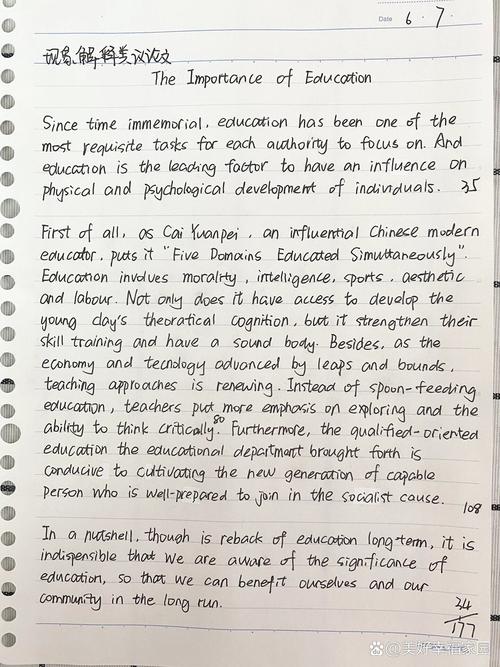
In the contemporary educational landscape, the debate over the most effective approach to language acquisition has intensified, particularly regarding the role of English as a global lingua franca. Writing an English argumentative essay on this topic requires a structured exploration of key perspectives, supported by evidence and logical reasoning. This essay will argue that while proficiency in English offers undeniable advantages in global communication and career opportunities, its dominance should not overshadow the preservation of linguistic diversity and the promotion of multilingual education. To substantiate this claim, the discussion will examine the benefits of English proficiency, the potential drawbacks of its hegemony, and the importance of balancing linguistic globalism with cultural pluralism.
The primary argument in favor of English proficiency centers on its practical utility in an interconnected world. As the language of international business, science, technology, and diplomacy, English serves as a common medium for cross-cultural exchange. For instance, in the realm of academia, a significant majority of peer-reviewed journals and research papers are published in English, making it indispensable for scholars seeking to contribute to global knowledge. Similarly, multinational corporations often adopt English as their official language to facilitate communication among employees from diverse linguistic backgrounds. A study by the British Council estimates that over 1.5 billion people worldwide are learning English, highlighting its perceived value as a tool for socioeconomic mobility. Moreover, English proficiency can enhance individual employability, with many high-paying jobs in sectors such as finance, engineering, and information technology requiring strong command of the language.

However, the dominance of English raises critical concerns about linguistic imperialism and cultural homogenization. When English is prioritized in education systems, indigenous and minority languages are often marginalized, leading to their gradual erosion. According to UNESCO, approximately 40% of the world’s languages are at risk of extinction, a trend exacerbated by the global spread of English. This loss of linguistic diversity is not merely a cultural tragedy but also a loss of unique knowledge systems and worldviews. For example, many indigenous languages contain specialized vocabulary for local ecosystems and traditional practices, which cannot be fully translated into English. Furthermore, the emphasis on English can create educational inequities, as students from underprivileged backgrounds may lack access to quality English instruction, widening the gap between the global elite and marginalized communities. In countries like India and Nigeria, the colonial legacy of English has perpetuated social hierarchies, with fluency in the language often correlating with higher socioeconomic status.
To address these challenges, a balanced approach to language education is essential. Rather than viewing English as a replacement for native languages, it should be taught as an additional skill within a multilingual framework. Countries such as Finland and Canada offer compelling models, where students are encouraged to maintain their mother tongues while acquiring proficiency in English and other languages. This approach not only preserves linguistic diversity but also enhances cognitive flexibility, as research suggests that multilingual individuals often exhibit better problem-solving abilities and creativity. Additionally, educational policies should prioritize the development of local language resources, including the publication of textbooks and the integration of indigenous knowledge into curricula. By fostering a multilingual environment, societies can harness the benefits of global communication without sacrificing cultural identity.
The following table summarizes the key arguments for and against the dominance of English, along with potential solutions:
| Perspective | Arguments For | Arguments Against | Potential Solutions |
|---|---|---|---|
| English Proficiency | Facilitates global communication; enhances career opportunities; access to international knowledge. | Leads to linguistic imperialism; marginalizes minority languages; perpetuates educational inequities. | Teach English as an additional language; promote multilingual education. |
| Linguistic Diversity | Preserves cultural heritage; protects unique knowledge systems; fosters cognitive flexibility. | Hinders global communication; limits access to international opportunities; may fragment national unity. | Invest in local language resources; integrate indigenous knowledge into education. |
In conclusion, while English proficiency is undeniably valuable in a globalized world, its dominance should not come at the expense of linguistic diversity and cultural pluralism. A nuanced approach to language education—one that values multilingualism and prioritizes the preservation of indigenous languages—can ensure that English serves as a tool for inclusion rather than exclusion. By striking this balance, societies can reap the benefits of global interconnectedness while safeguarding the rich tapestry of human languages and cultures.

FAQs
-
Q: Why is English considered the global lingua franca, and what factors contributed to its dominance?
A: English became the global lingua franca due to a combination of historical, economic, and cultural factors. The British Empire’s colonial expansion spread English across the globe, and in the 20th century, the rise of the United States as a superpower further solidified its position in international business, science, and entertainment. Additionally, the simplicity of English grammar compared to other languages, along with its extensive vocabulary and adaptability, has made it accessible to learners worldwide. The internet and digital media have further accelerated its dominance, with a majority of online content being in English. -
Q: How can countries promote English proficiency without undermining local languages?
A: Countries can adopt a balanced approach by implementing policies that integrate English into the curriculum while actively promoting and preserving local languages. This includes using local languages as the medium of instruction in primary education, teaching English as a subject from an early age, and providing resources for the development of indigenous language materials. Additionally, governments can support bilingual education programs, where students learn both their mother tongue and English, ensuring that neither is neglected. Community initiatives, such as language revitalization projects and cultural festivals, can also play a crucial role in maintaining linguistic diversity.