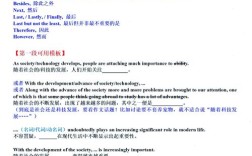
In the era of globalization, the ability to write argumentative essays in English with translations has become increasingly important for students, professionals, and researchers alike. This skill not only demonstrates linguistic proficiency but also enhances critical thinking and cross-cultural communication. An English argumentative essay typically follows a structured approach, presenting a clear thesis statement, supported by logical reasoning and evidence, while a translation ensures the ideas are accessible to a non-English speaking audience. This essay will explore the key components of writing an effective argumentative essay in English, the challenges of translation, and strategies to maintain the essay's integrity across languages.
To begin with, a well-crafted argumentative essay in English starts with a compelling introduction that hooks the reader and presents a debatable thesis statement. For example, an essay on "The Impact of Social Media on Youth Mental Health" might argue that excessive social media use correlates with increased anxiety and depression among teenagers. The body paragraphs should then present topic sentences, evidence such as statistics or case studies, and analysis to connect the evidence to the thesis. Counterarguments should also be addressed to demonstrate a balanced perspective. Finally, the conclusion should restate the thesis in a fresh way and summarize the main points, leaving a lasting impression on the reader.

When translating such an essay, several challenges arise. First, cultural nuances and idiomatic expressions may not have direct equivalents in the target language. For instance, the English idiom "to bite the bullet" might be translated literally in some languages, losing its intended meaning of facing a difficult situation bravely. Second, the structure of argumentative essays, such as the use of topic sentences and transitions, may not align with the rhetorical conventions of the target language. For example, some languages prefer a more indirect approach to presenting arguments, which could alter the essay's persuasive impact. To address these issues, translators must prioritize accuracy over literal translation, adapting the content to fit the cultural and linguistic context of the target audience while preserving the original argument's integrity.
Moreover, the use of tables can enhance the clarity of both the English essay and its translation. For example, a table comparing the advantages and disadvantages of social media use among youth can help readers visualize the data more effectively. Below is an example of such a table:
| Advantages of Social Media | Disadvantages of Social Media |
|---|---|
| Facilitates communication with peers | Increases exposure to cyberbullying |
| Provides access to educational content | Leads to addiction and reduced productivity |
| Enables participation in global communities | Contributes to feelings of isolation |
In the translation, the table's headers and content should be adapted to ensure clarity. For instance, if the target language is Chinese, the headers might be translated to "社交媒体的优势" and "社交媒体的弊端," while the entries should be phased naturally in Chinese. This ensures that the data remains comprehensible and retains its persuasive power.
Another critical aspect is maintaining the tone and style of the original essay. English argumentative essays often employ a formal and objective tone, using precise vocabulary and complex sentence structures. Translators must replicate this tone in the target language, avoiding overly casual or emotive language that could undermine the essay's credibility. For example, the phrase "it is evident that" might be translated to "显而易见" in Chinese, maintaining a formal and assertive tone. Additionally, translators should pay attention to the flow of sentences, ensuring that transitions between ideas are smooth and logical in the translated version.

In conclusion, writing an argumentative essay in English with translation requires a deep understanding of both the source and target languages, as well as the cultural contexts in which they are used. By focusing on clear structure, accurate translation, and the effective use of visual aids like tables, writers can create essays that are persuasive and accessible to a global audience. Mastering this skill not only enhances academic and professional success but also fosters better cross-cultural understanding and communication.
FAQs
-
Q: How can I ensure that my translated argumentative essay retains the original's persuasive power?
A: To maintain persuasive power, prioritize cultural adaptation over literal translation. Use equivalent rhetorical devices and idiomatic expressions in the target language, and ensure the tone and structure align with the target audience's expectations. Additionally, seek feedback from native speakers to identify any areas where the translation may weaken the argument. -
Q: What are some common mistakes to avoid when translating an argumentative essay?
A: Common mistakes include literal translations of idioms or cultural references, which can confuse readers; ignoring the target language's rhetorical conventions, leading to awkward or ineffective arguments; and failing to adapt visual aids like tables for clarity. To avoid these, focus on meaning rather than word-for-word translation and consult language experts if necessary. (图片来源网络,侵删)